
My next-to-last IVIG infusion is complete.
While I’ve shared my journey over the past nine months, I haven’t talked as much about some of the innermost thoughts happening behind the scenes.
As I was getting ready for my infusion this morning, I thought about how strange MOGAD is. You could put ten people with MOGAD in a room, and all ten would have a unique experience. Even if all ten started with bilateral optic neuritis, as I did, their symptoms, recovery, lasting effects, and what happens next could be completely different.
Part of that difference comes from what MOGAD actually is. MOG stands for myelin oligodendrocyte glycoprotein, a protein found on the outer surface of myelin in the central nervous system. In MOGAD, the immune system produces antibodies that mistakenly target that protein. The resulting inflammation can affect the optic nerves, spinal cord, brain, or brainstem. Mine attacked both optic nerves, and in January, I was nearly blind.
My recovery has been remarkable. My corrected vision is about 20/20. My peripheral vision is within normal ranges, and most of my color perception has returned. I can drive, take care of myself and my family, work, write, go to the gym, and do the ordinary things that were suddenly impossible nine months ago. In many ways, I feel better than I have in years, not just months.
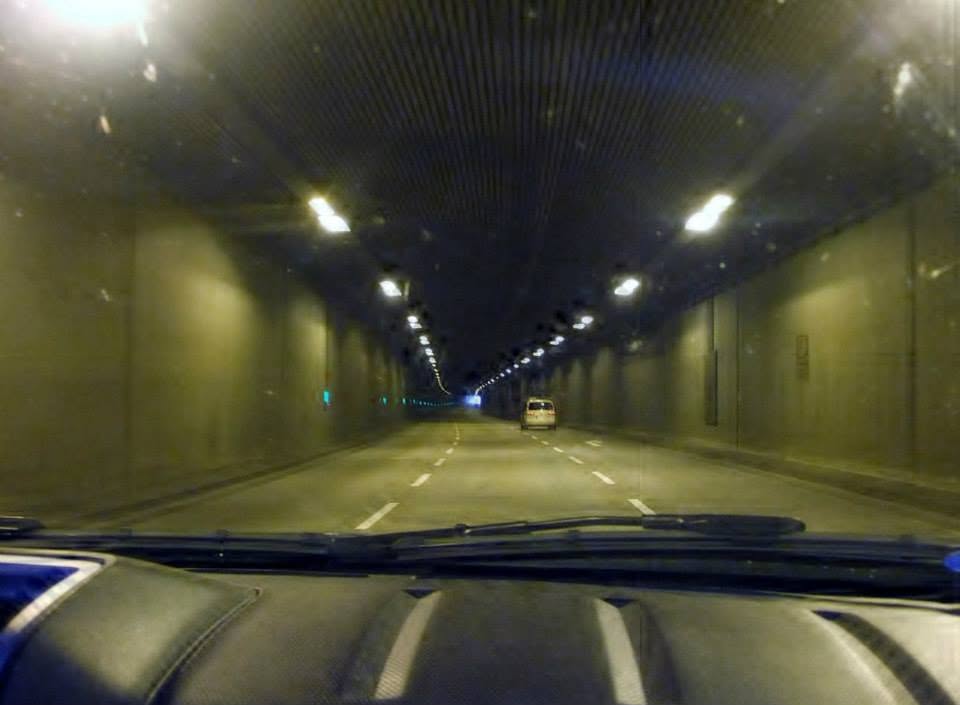
Twenty-twenty vision doesn’t mean everything is exactly as it was before January. My optic nerves show thinning from the damage. Things sometimes appear a little duller and less defined than they once did. Fluorescent and other artificial lighting make the difference more noticeable, and I definitely prefer natural light.
I don’t talk very often about the possibility of relapse, primarily because I don’t want to dwell on that possibility. MOGAD can be monophasic, meaning one attack occurs and never happens again, or it can be relapsing. The MOG antibodies that helped give my disease a name can persist, fluctuate, or eventually become undetectable. Medicine can identify patterns and risk factors, but no test can tell me with certainty what my particular future holds. Prayerfully, my attack was a one-and-done.
That uncertainty has existed alongside every milestone I’ve celebrated this year: driving again, finishing steroids, feeling like myself again, passing my driving test, and being moved to as-needed visits by several doctors. Today, I finished my next-to-last scheduled IVIG infusion. IVIG has been part of trying to reduce the likelihood of another attack. It isn’t giving me back the optic nerve fibers that were damaged in January, nor is it a promise that another attack can never happen. It has been one part of navigating a rare disease for which many questions remain unanswered.
Infusion days take about six hours, much of that time spent sitting in a chair while medication slowly makes its way through an IV. Today, while I was sitting there, the chaplain stopped by to see how I was doing and whether I needed anything. I had the opportunity to tell him my story: “I was blind, but now I see.” A little while later, one of the volunteers stopped by, and I got to tell her, too.
I don’t know whether I will ever have another MOGAD attack, whether my vision will always look a little different than it did before January, or exactly what life after my final scheduled infusion will look like. I do know what I could tell two people today: I was blind, but now I see.